Category: public

  • Casino Shuttle Services


    Casino shuttle services provide scheduled or coordinated transport between a property and selected nearby locations. Depending on the destination, these connections may serve hotels, transport terminals, parking areas, or different parts of a large resort.

    A useful service requires clear information about boarding points, operating hours, and expected waiting times. Staff also need a way to communicate changes when traffic, weather, or events affect the published schedule.

    Changes within one department can affect several others. Moving an entrance, altering an event schedule, or temporarily closing a service point may change visitor routes and staff workloads elsewhere. Communicating these changes in advance makes it easier for different teams to provide consistent information and adjust their own preparations.

    Information should be presented in a form that suits its audience. Visitors usually need a concise explanation of where to go or what is available, while staff may require more detailed instructions. Keeping these purposes distinct helps avoid crowded signs and makes internal procedures easier to maintain when arrangements change.

    There is no single arrangement that suits every destination. The age of the building, available floor area, surrounding transport, and mix of facilities all influence the choices available. A city property and a spacious resort may address similar needs through different layouts, even when they offer broadly comparable services to their visitors.

    The quality of a shuttle connection depends as much on dependable information as on the vehicles used to provide it. Considering the visitor journey together with the work performed behind the scenes gives a more complete understanding of the subject than an assessment based entirely on appearance or on a single moment of use.

  • Casino Shuttle Services


    Casino shuttle services provide scheduled or coordinated transport between a property and selected nearby locations. Depending on the destination, these connections may serve hotels, transport terminals, parking areas, or different parts of a large resort.

    A useful service requires clear information about boarding points, operating hours, and expected waiting times. Staff also need a way to communicate changes when traffic, weather, or events affect the published schedule.

    Changes within one department can affect several others. Moving an entrance, altering an event schedule, or temporarily closing a service point may change visitor routes and staff workloads elsewhere. Communicating these changes in advance makes it easier for different teams to provide consistent information and adjust their own preparations.

    Information should be presented in a form that suits its audience. Visitors usually need a concise explanation of where to go or what is available, while staff may require more detailed instructions. Keeping these purposes distinct helps avoid crowded signs and makes internal procedures easier to maintain when arrangements change.

    There is no single arrangement that suits every destination. The age of the building, available floor area, surrounding transport, and mix of facilities all influence the choices available. A city property and a spacious resort may address similar needs through different layouts, even when they offer broadly comparable services to their visitors.

    The quality of a shuttle connection depends as much on dependable information as on the vehicles used to provide it. Considering the visitor journey together with the work performed behind the scenes gives a more complete understanding of the subject than an assessment based entirely on appearance or on a single moment of use.

  • Casino Shuttle Services


    Casino shuttle services provide scheduled or coordinated transport between a property and selected nearby locations. Depending on the destination, these connections may serve hotels, transport terminals, parking areas, or different parts of a large resort.

    A useful service requires clear information about boarding points, operating hours, and expected waiting times. Staff also need a way to communicate changes when traffic, weather, or events affect the published schedule.

    Changes within one department can affect several others. Moving an entrance, altering an event schedule, or temporarily closing a service point may change visitor routes and staff workloads elsewhere. Communicating these changes in advance makes it easier for different teams to provide consistent information and adjust their own preparations.

    Information should be presented in a form that suits its audience. Visitors usually need a concise explanation of where to go or what is available, while staff may require more detailed instructions. Keeping these purposes distinct helps avoid crowded signs and makes internal procedures easier to maintain when arrangements change.

    There is no single arrangement that suits every destination. The age of the building, available floor area, surrounding transport, and mix of facilities all influence the choices available. A city property and a spacious resort may address similar needs through different layouts, even when they offer broadly comparable services to their visitors.

    The quality of a shuttle connection depends as much on dependable information as on the vehicles used to provide it. Considering the visitor journey together with the work performed behind the scenes gives a more complete understanding of the subject than an assessment based entirely on appearance or on a single moment of use.

  • Casino Shuttle Services


    Casino shuttle services provide scheduled or coordinated transport between a property and selected nearby locations. Depending on the destination, these connections may serve hotels, transport terminals, parking areas, or different parts of a large resort.

    A useful service requires clear information about boarding points, operating hours, and expected waiting times. Staff also need a way to communicate changes when traffic, weather, or events affect the published schedule.

    Changes within one department can affect several others. Moving an entrance, altering an event schedule, or temporarily closing a service point may change visitor routes and staff workloads elsewhere. Communicating these changes in advance makes it easier for different teams to provide consistent information and adjust their own preparations.

    Information should be presented in a form that suits its audience. Visitors usually need a concise explanation of where to go or what is available, while staff may require more detailed instructions. Keeping these purposes distinct helps avoid crowded signs and makes internal procedures easier to maintain when arrangements change.

    There is no single arrangement that suits every destination. The age of the building, available floor area, surrounding transport, and mix of facilities all influence the choices available. A city property and a spacious resort may address similar needs through different layouts, even when they offer broadly comparable services to their visitors.

    The quality of a shuttle connection depends as much on dependable information as on the vehicles used to provide it. Considering the visitor journey together with the work performed behind the scenes gives a more complete understanding of the subject than an assessment based entirely on appearance or on a single moment of use.

  • Casino Lighting


    Casino lighting combines general illumination with decorative and task-specific light. Different areas may use different brightness levels and colors to distinguish dining, circulation, performances, and gaming without making the overall environment difficult to navigate.

    Designers consider reflections on screens, the visibility of signs, and the appearance of materials under artificial light. Maintenance teams also need convenient access to fixtures so that replacing a failed component does not unnecessarily interrupt nearby activity.

    Within a larger property, this subject connects to services that visitors may not immediately notice. Staff schedules, delivery routes, storage areas, and cleaning routines all influence how a public space operates. Coordination between these activities helps the visible part of the venue remain consistent during both quiet hours and periods of heavier use.

    Information should be presented in a form that suits its audience. Visitors usually need a concise explanation of where to go or what is available, while staff may require more detailed instructions. Keeping these purposes distinct helps avoid crowded signs and makes internal procedures easier to maintain when arrangements change.

    The wider setting also matters. A property beside a busy street faces different arrival patterns from one reached mainly by private transport. Nearby hotels, event spaces, and public routes can influence the flow of visitors, making the relationship between the venue and its surroundings part of everyday operational planning.

    Lighting contributes to atmosphere, but its everyday usefulness depends on visibility, consistency, and the practical needs of the space. Its role becomes clearer when viewed alongside the rest of the building, including the routes, services, and staff activities that connect the individual area with the wider experience of visiting an entertainment property.

  • Casino Lighting


    Casino lighting combines general illumination with decorative and task-specific light. Different areas may use different brightness levels and colors to distinguish dining, circulation, performances, and gaming without making the overall environment difficult to navigate.

    Designers consider reflections on screens, the visibility of signs, and the appearance of materials under artificial light. Maintenance teams also need convenient access to fixtures so that replacing a failed component does not unnecessarily interrupt nearby activity.

    Within a larger property, this subject connects to services that visitors may not immediately notice. Staff schedules, delivery routes, storage areas, and cleaning routines all influence how a public space operates. Coordination between these activities helps the visible part of the venue remain consistent during both quiet hours and periods of heavier use.

    Information should be presented in a form that suits its audience. Visitors usually need a concise explanation of where to go or what is available, while staff may require more detailed instructions. Keeping these purposes distinct helps avoid crowded signs and makes internal procedures easier to maintain when arrangements change.

    The wider setting also matters. A property beside a busy street faces different arrival patterns from one reached mainly by private transport. Nearby hotels, event spaces, and public routes can influence the flow of visitors, making the relationship between the venue and its surroundings part of everyday operational planning.

    Lighting contributes to atmosphere, but its everyday usefulness depends on visibility, consistency, and the practical needs of the space. Its role becomes clearer when viewed alongside the rest of the building, including the routes, services, and staff activities that connect the individual area with the wider experience of visiting an entertainment property.

  • Casino Lighting


    Casino lighting combines general illumination with decorative and task-specific light. Different areas may use different brightness levels and colors to distinguish dining, circulation, performances, and gaming without making the overall environment difficult to navigate.

    Designers consider reflections on screens, the visibility of signs, and the appearance of materials under artificial light. Maintenance teams also need convenient access to fixtures so that replacing a failed component does not unnecessarily interrupt nearby activity.

    Within a larger property, this subject connects to services that visitors may not immediately notice. Staff schedules, delivery routes, storage areas, and cleaning routines all influence how a public space operates. Coordination between these activities helps the visible part of the venue remain consistent during both quiet hours and periods of heavier use.

    Information should be presented in a form that suits its audience. Visitors usually need a concise explanation of where to go or what is available, while staff may require more detailed instructions. Keeping these purposes distinct helps avoid crowded signs and makes internal procedures easier to maintain when arrangements change.

    The wider setting also matters. A property beside a busy street faces different arrival patterns from one reached mainly by private transport. Nearby hotels, event spaces, and public routes can influence the flow of visitors, making the relationship between the venue and its surroundings part of everyday operational planning.

    Lighting contributes to atmosphere, but its everyday usefulness depends on visibility, consistency, and the practical needs of the space. Its role becomes clearer when viewed alongside the rest of the building, including the routes, services, and staff activities that connect the individual area with the wider experience of visiting an entertainment property.

  • Casino Game Equipment


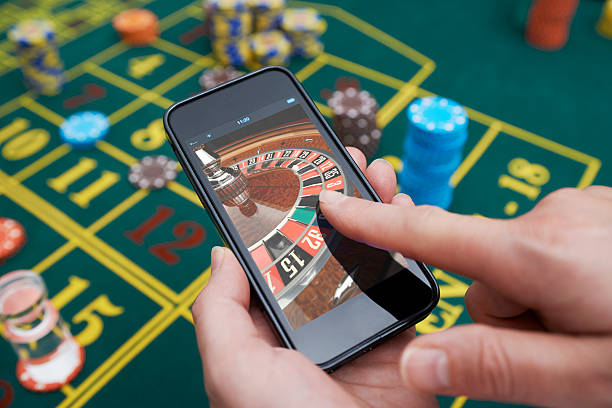
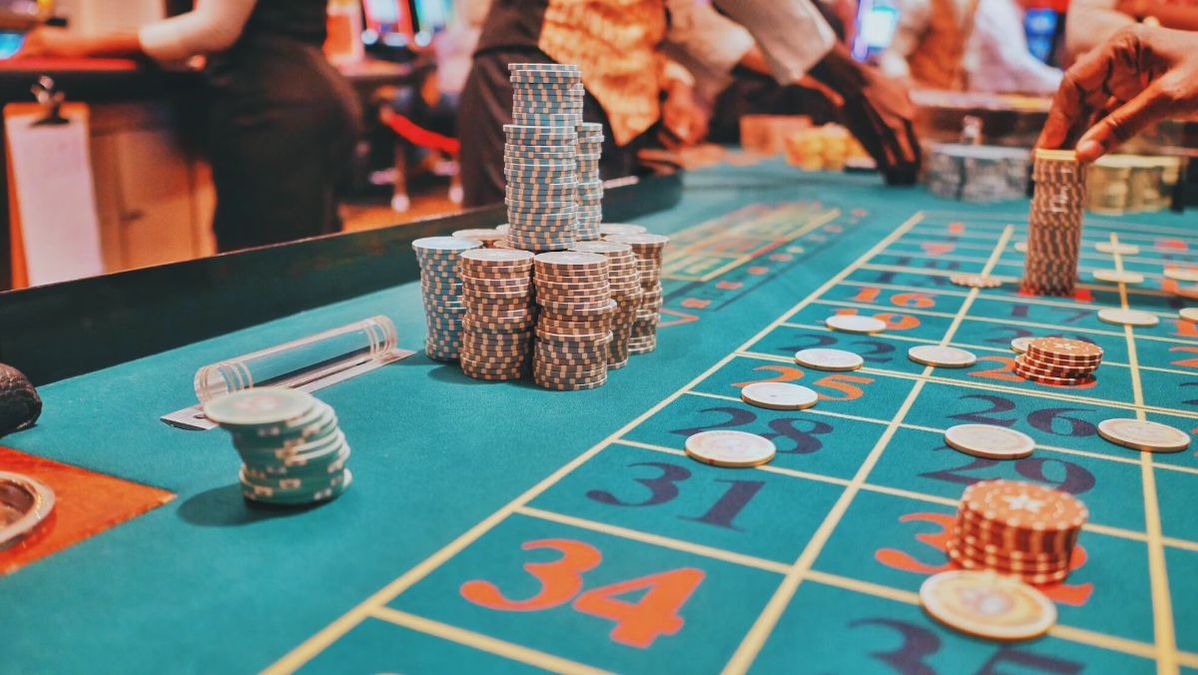
    Casino game equipment includes the physical objects and devices used to support different gaming activities. Cards, tables, tokens, wheels, and electronic terminals each have distinct storage, inspection, and maintenance requirements.

    An equipment inventory helps staff locate supplies and plan replacements. Records can also show which items belong to a particular area, making it easier to prepare a room or temporarily remove equipment that requires attention.

    The relationship between appearance and function is especially important in a frequently used venue. Decorative choices contribute to character, but the same materials and objects must also withstand cleaning, movement, and repeated handling. A design can remain attractive for longer when maintenance requirements are considered before the space begins operating.

    Routine observation is an important part of managing this environment. Staff can note recurring questions, worn surfaces, difficult routes, or delays that are not obvious from a drawing. These observations provide a practical starting point for small improvements and help distinguish a temporary inconvenience from an issue that appears repeatedly.

    The most informative assessment considers the entire journey through the property. A comfortable room can still be difficult to use if it is poorly signposted, and a clear entrance can lead to confusing internal routes. Looking at these connections gives a fuller picture than judging individual features entirely in isolation.

    Managing this equipment is a practical process that links purchasing and storage with the daily needs of the gaming floor. Over time, changes in visitor patterns and service arrangements may call for adjustments, making regular observation a useful complement to the original design and to the procedures established when a facility first opens.

  • Casino Game Equipment


    Casino game equipment includes the physical objects and devices used to support different gaming activities. Cards, tables, tokens, wheels, and electronic terminals each have distinct storage, inspection, and maintenance requirements.

    An equipment inventory helps staff locate supplies and plan replacements. Records can also show which items belong to a particular area, making it easier to prepare a room or temporarily remove equipment that requires attention.

    The relationship between appearance and function is especially important in a frequently used venue. Decorative choices contribute to character, but the same materials and objects must also withstand cleaning, movement, and repeated handling. A design can remain attractive for longer when maintenance requirements are considered before the space begins operating.

    Routine observation is an important part of managing this environment. Staff can note recurring questions, worn surfaces, difficult routes, or delays that are not obvious from a drawing. These observations provide a practical starting point for small improvements and help distinguish a temporary inconvenience from an issue that appears repeatedly.

    The most informative assessment considers the entire journey through the property. A comfortable room can still be difficult to use if it is poorly signposted, and a clear entrance can lead to confusing internal routes. Looking at these connections gives a fuller picture than judging individual features entirely in isolation.

    Managing this equipment is a practical process that links purchasing and storage with the daily needs of the gaming floor. Over time, changes in visitor patterns and service arrangements may call for adjustments, making regular observation a useful complement to the original design and to the procedures established when a facility first opens.

  • Casino Game Equipment


    Casino game equipment includes the physical objects and devices used to support different gaming activities. Cards, tables, tokens, wheels, and electronic terminals each have distinct storage, inspection, and maintenance requirements.

    An equipment inventory helps staff locate supplies and plan replacements. Records can also show which items belong to a particular area, making it easier to prepare a room or temporarily remove equipment that requires attention.

    The relationship between appearance and function is especially important in a frequently used venue. Decorative choices contribute to character, but the same materials and objects must also withstand cleaning, movement, and repeated handling. A design can remain attractive for longer when maintenance requirements are considered before the space begins operating.

    Routine observation is an important part of managing this environment. Staff can note recurring questions, worn surfaces, difficult routes, or delays that are not obvious from a drawing. These observations provide a practical starting point for small improvements and help distinguish a temporary inconvenience from an issue that appears repeatedly.

    The most informative assessment considers the entire journey through the property. A comfortable room can still be difficult to use if it is poorly signposted, and a clear entrance can lead to confusing internal routes. Looking at these connections gives a fuller picture than judging individual features entirely in isolation.

    Managing this equipment is a practical process that links purchasing and storage with the daily needs of the gaming floor. Over time, changes in visitor patterns and service arrangements may call for adjustments, making regular observation a useful complement to the original design and to the procedures established when a facility first opens.